Real cost of hedge removal in Twickenham by local gardeners
Posted on 26/10/2026
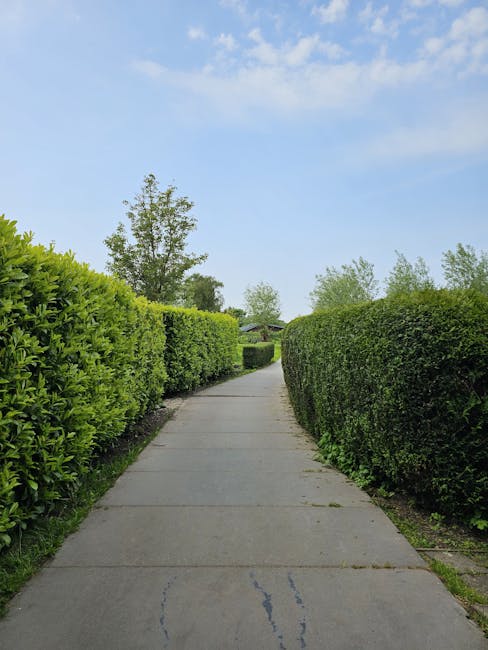
Real cost of hedge removal in Twickenham by local gardeners: what you actually pay and why
If you are weighing up hedge removal in Twickenham, the first question is usually the simplest one: what does it really cost? And fair enough. A hedge might look tidy from the road, but once it starts blocking light, swallowing a boundary, or turning into a yearly maintenance headache, removal can become the better long-term move. The real cost of hedge removal in Twickenham by local gardeners depends on the hedge itself, access, waste, roots, and whether you want the space left neat, cleared, and ready for something new.
In this guide, we break down the practical costs, the hidden extras, the decision points, and the small details that local gardeners factor in when pricing the job. You will also see when removal makes sense, when trimming may be the smarter choice, and how to avoid paying for work you do not actually need. Let's face it, hedge removal is one of those jobs that looks straightforward until the first few branches start coming down.
Why the real cost of hedge removal in Twickenham by local gardeners matters
Hedge removal is not just a labour charge. It is a mixture of cutting, handling waste, access planning, and often a bit of problem-solving. In Twickenham, where gardens can be compact, side access may be narrow, and neighbouring boundaries are often close together, those practical constraints matter a lot.
When a gardener gives a quote, they are usually thinking about more than hours on site. They are considering how dense the hedge is, how tall it has grown, whether trunks are woody, whether roots are likely to be stubborn, and whether the waste can be carried through the property without leaving a trail of mulch and twig confetti. If you only compare prices on the surface, you may miss what is actually included.
The real cost also matters because removal can affect the future use of the space. A hedge that once gave privacy might be replaced with fencing, a new planting scheme, or a lower-maintenance border. If the removal is rushed or underpriced, the space can end up uneven, messy, or more expensive to fix later. That is the bit many people do not think about until they are standing in the garden wondering why the job suddenly feels twice as big.
There is also a trust angle here. Local gardeners know Twickenham gardens, the common access issues, and the typical scale of domestic hedge jobs. That local experience often produces a more accurate estimate than a generic online price guide. For related upkeep considerations, many homeowners also look at hedge trimming in Twickenham before deciding whether removal is truly necessary.
How the real cost of hedge removal in Twickenham by local gardeners works
Most hedge removal quotes are based on a few core elements. Once you understand them, the numbers make more sense. The work often starts with a quick inspection or photos, followed by a basic assessment of the hedge size and site access. From there, the gardener decides whether the job is a simple cut-down, a full root removal, or something in between.
What usually affects the quote
- Height and length: A short boundary hedge is a different job from a tall, mature screen stretching the full side return.
- Hedge density: Thick evergreens and old woody hedges take longer to cut through and clear.
- Root work: Removing the visible top growth is one thing; dealing with stumps and roots is another.
- Access: Narrow side passages, steps, and rear garden access all affect labour time.
- Waste removal: Green waste disposal can be included, charged separately, or arranged as a skip alternative.
- Surrounding structures: Fences, decking, sheds, patios, and planting beds can make the work slower and more delicate.
In practical terms, a gardener may price a tidy two-metre hedge much differently from an overgrown leylandii or laurel hedge that has not been touched in years. A fair quote should reflect the actual effort, not just the length of the boundary.
A simple way the job often unfolds
- The gardener checks the hedge condition and access.
- They identify whether the job is removal only or removal plus stump extraction.
- Cutting begins from the top down, usually in sections.
- Branches and debris are gathered as the work progresses.
- Stumps or roots are dealt with if included.
- The area is cleared and left ready for the next stage.
If you want a broader garden refresh alongside hedge removal, it may be worth looking at garden maintenance Twickenham or gardening services in Twickenham so the whole space is planned properly rather than patched together job by job.
Key benefits and practical advantages
Yes, hedge removal has a cost. But it can also unlock a surprising amount of value. The obvious benefit is space, yet the real gains are often about usability and simplicity. A garden that feels boxed in by a tired hedge can suddenly open up, and that changes how you use it day to day.
- More light: Many Twickenham gardens are shaded by mature boundaries. Removing the right hedge can make a patio or lawn feel noticeably brighter.
- Less ongoing maintenance: No more repeated trimming, shaping, or trying to keep a hedge neat through the growing season.
- Better boundary options: You can replace the hedge with fencing, mixed planting, or a lower, tidier screen.
- Improved access: Clearing a hedge can make future landscaping or repairs much easier.
- Reduced encroachment: Some hedges spread aggressively or get wider every year. Removing them can stop that creeping takeover.
There is a practical peace of mind too. You know exactly what you have after removal. No more guessing whether the hedge will outgrow the boundary again by August. That sounds small, but in a busy household it matters.
For anyone considering a full garden reset, the article on commencing a garden makeover is a helpful companion read, especially if hedge removal is only the first step in a bigger plan.
Who this is for and when hedge removal makes sense
Hedge removal is not automatically the right answer. Sometimes trimming, reshaping, or selective reduction is enough. But it makes sense in a few very common situations.
Hedge removal is often worth considering if:
- the hedge is dead, diseased, or thin and patchy
- it blocks too much light into the house or garden
- the roots are lifting paving, edging, or nearby structures
- the hedge has become too large to manage safely
- you are replacing it with fencing or a new layout
- you need better access for landscaping, patio work, or replanting
It also suits homeowners preparing a property for sale, landlords trying to reduce garden maintenance, or families who simply want a cleaner, safer boundary. On the flip side, if privacy is still essential, complete removal may be a poor move unless you already have a replacement ready.
To be fair, some people call for removal when a strong trim would solve the problem for another year or two. That happens more than you might think. A good local gardener should talk you through the options, not just reach for the saw.
Step-by-step guidance
If you are trying to estimate the real cost of hedge removal in Twickenham by local gardeners, here is the clearest way to approach it. Think in stages rather than one lump sum. That keeps expectations grounded and makes quotations easier to compare.
1. Measure the hedge roughly
You do not need a tape measure down to the millimetre. Just note approximate length, height, and width. A hedge that is 8 metres long and 2.5 metres high is a much different proposition from a 3-metre decorative boundary.
2. Decide whether you want full removal or just cutting down
Full removal includes more labour and often more waste. Cutting down to ground level may be suitable if you plan to replant later or if root removal is not essential immediately.
3. Check access carefully
This is one of the biggest hidden factors. Can tools and waste move easily through the property? Is there a side gate? Is the hedge near a fence or decking? A cramped route can add time and cost.
4. Ask what waste handling is included
Some quotes include collection and disposal; others leave it separate. A lower headline figure can become a more expensive final bill if waste handling appears later on the invoice.
5. Clarify stump and root treatment
Stump removal is not always included, and honestly, that catches people out. If you want the area cleared for new planting or hard landscaping, say so early.
6. Plan the aftercare
What happens after the hedge is gone? Will you need topsoil, regrading, fencing, or new screening plants? If you are also dealing with poor soil or compaction, some garden improvement work may be needed too. For inspiration on reusable garden matter, see organic waste magic, which is useful when refreshing a cleared area.
Expert tips for better results
A few small choices can keep hedge removal cheaper, cleaner, and less stressful. None of these are dramatic, but they add up. In our experience, they are the things that separate a tidy job from a mildly chaotic one.
- Get photos taken in daylight: Faded evening pictures hide density and access issues. A bright photo tells the truth.
- Trim back surrounding clutter first: Move pots, furniture, and loose garden items so the gardener can start immediately.
- Be clear about the finish: Do you want bare ground, a level cut, stump removal, or a planting-ready area?
- Bundle jobs where sensible: If other maintenance is due, combining tasks can sometimes reduce overall disruption.
- Think ahead about replacement: If you know you want fencing or a new hedge, say so before the first cut is made.
One useful tip that gets overlooked: ask whether the hedge can be reduced rather than removed completely. A gardener may be able to reshape it in a way that buys you time while keeping some privacy. Sometimes the cheaper answer is also the smarter one. Not always, but often enough.
If the hedge is part of a wider privacy or screening plan, it may help to review fast-growing hedge options before making a final decision.
Common mistakes to avoid
This is where people quietly spend more than they should. Hedge removal is easy to underestimate, especially when the hedge looks patchy or thin from one angle. Then you get into the garden and realise the trunks are thick, the roots are gripped like iron, and the waste pile is growing by the minute.
- Choosing the cheapest quote without checking what is included. The headline price can be misleading.
- Ignoring access problems. A narrow alley or shared boundary can change the whole job.
- Forgetting disposal costs. Green waste is not always free to move off-site.
- Not planning for stump removal. If it matters later, it is more expensive to sort out later.
- Assuming all hedges are the same. Privet, laurel, leylandii, beech, and mixed hedges behave very differently.
- Removing a hedge before checking boundary implications. If the hedge marks a property line, make sure you know where things stand before work starts.
Another common one: people remove the hedge first and think about the replacement afterwards. That can leave the garden exposed, a bit awkward, and harder to finish neatly. A simple plan up front saves a lot of faffing around later.
Tools, resources and recommendations
Local gardeners use different tools depending on the hedge type, but the principles are similar: cut cleanly, work safely, and keep waste under control. For heavier hedge removal, professionals may use hedge trimmers, saws, loppers, pruning tools, and disposal equipment suited to the size of the job.
If you are comparing options, it helps to understand the wider toolset and how it affects labour time. A well-equipped gardener often works faster and more cleanly than someone relying on basic hand tools alone. That said, tools are only half the story; experience matters just as much.
Useful related reading includes gardening tools for passionate outdoor lovers, which gives a broader view of equipment used in everyday garden work, and the value of hedge trimming for garden appearance if you are still deciding whether trimming may be enough.
For a more budget-aware approach to garden changes, affordable landscaping for easy garden management is a sensible companion piece, especially if you want the cleared area to become lower maintenance rather than just empty.
Law, compliance and best practice
Hedge removal in a domestic garden is usually straightforward, but best practice still matters. If the hedge sits on a boundary, touches shared ground, or could affect a neighbour's privacy, it is sensible to discuss the plan early. A friendly conversation can prevent a lot of awkwardness. Nobody enjoys a boundary dispute over a pile of branches.
There are also safety and environmental considerations. Work should be carried out with proper care around nearby structures, utilities, and garden features. If roots are close to paving, retaining walls, fencing, or patios, removing them without checking the consequences can cause damage. That is especially relevant in smaller Twickenham gardens where one boundary often supports several things at once.
Good practice also means clearing waste responsibly, working within safe methods, and using appropriate protective equipment. Homeowners should feel comfortable asking whether the gardener is insured, how waste will be handled, and what happens if hidden issues are discovered on site. It is not fussiness. It is just sensible.
For reassurance on that side of things, the site's pages on insurance and safety and health and safety policy are worth reviewing before you book any substantial garden work.
Options, methods, or comparison table
Not every hedge problem needs full removal. Sometimes a selective reduction is enough. Below is a simple comparison of the most common approaches local gardeners use.
| Option | Typical use | Pros | Limitations |
|---|---|---|---|
| Light trim | Hedge is healthy but overgrown | Lowest disruption, keeps privacy, usually cheapest | Won't solve root issues or major shading |
| Heavy reduction | Hedge is too tall or wide | Improves shape and light, more affordable than full removal | May look uneven at first, not ideal for very woody hedges |
| Full removal | Hedge is dead, unwanted, or blocking a redesign | Opens space, removes ongoing maintenance | More labour, more waste, may require replacement screening |
| Removal plus stump extraction | Space needs to be reused fully | Cleaner finish, best for replanting or landscaping | Usually the most expensive option |
As a rough rule, the more complete the finish you want, the more the price moves upward. That is normal. What matters is whether the extra spend gives you a result you will actually benefit from next year, not just today.
Case study or real-world example
Here is a realistic Twickenham-style scenario. A homeowner in a typical back garden has a mature hedge running along the rear boundary. It has become too wide, shades the patio in the afternoon, and drops leaves into the border beds every autumn. They first ask about trimming, but the hedge is already woody and taking up too much room.
After a site visit, the gardener explains three routes: reduce the hedge, remove only the worst section, or take the whole line out and prepare the ground for fencing later. The customer chooses full removal because they want better light and a cleaner layout for seating and planting.
The final cost ends up being shaped by access through a side gate, the amount of cuttings to remove, and the fact that several thick stems near the base need extra time. The gardener also clears the area neatly and leaves the boundary ready for future work. The customer does not just pay for cutting; they pay for a finished outcome. That distinction matters.
That is the real story behind most hedge removal jobs. The number on the quote is only part of it. The real value is in how much easier the garden becomes once the hedge is gone.
Practical checklist
Use this checklist before you agree to hedge removal. It keeps the conversation focused and helps avoid surprise costs.
- Confirm the hedge length, height, and general condition
- Check whether the quote includes stump or root removal
- Ask how waste will be removed and disposed of
- Make sure access routes are clear
- Move furniture, pots, and garden ornaments out of the way
- Decide what will replace the hedge, if anything
- Ask whether surrounding structures need protection
- Review insurance and safety expectations
- Get a written scope so everyone knows what is included
- Think about aftercare for the cleared area
If you are still in planning mode, a wider garden reset can be easier when paired with a garden makeover plan rather than tackling the hedge in isolation.
Key takeaway: the real cost of hedge removal in Twickenham by local gardeners is shaped less by a generic price-per-metre idea and more by the hedge's density, access, waste, roots, and the finish you want. The clearer your brief, the more accurate the quote.
Get a free quote today and see how much you can save.
Conclusion
Hedge removal can be a smart, practical investment when a boundary has become too large, too tired, or too much work for the space it occupies. But the real cost is not just about getting the hedge down. It is about doing the job properly, clearing the waste, protecting nearby features, and leaving your garden ready for what comes next.
In Twickenham, where gardens are often compact and every square metre counts, a good local gardener can save you both money and hassle by quoting accurately and working with the space rather than against it. If the hedge is becoming more of a burden than an asset, it may be time to let it go. And once it is gone, the garden can feel bigger, calmer, and strangely lighter. That part is hard to measure on a quote, but you will notice it straight away.

With a wealth of experience in gardening, Maegen writes an array of articles on a wide range of gardening and landscaping topics. Her contributions have aided countless people in realizing captivating garden designs.